


2025-08-15 12:36:31
Inside-Out Healing: Why Recovery Isn’t Just About Sobriety
It’s a powerful milestone—the day someone says, “I’ve been clean for 30 days.” Or 60. Or 600. But while sobriety is essential, it’s only the beginning.
Because real healing? It happens from the inside out. And unless you work on what’s beneath the surface—trauma, identity, relationships, emotions—you may find yourself sober but still struggling.
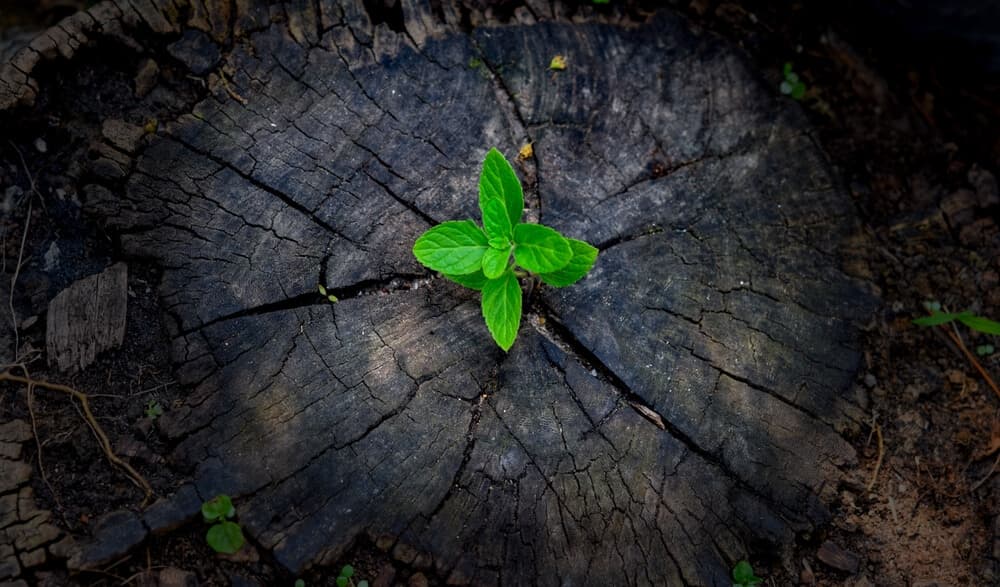
Recovery isn’t just about what you stop doing. It’s about what you start building.
The Difference Between Sobriety and Recovery
Sobriety is the absence of substances.
Recovery is the presence of awareness, growth, and emotional repair.
You can be sober and still:
- Feel overwhelmed
- Repeat toxic relationship patterns
- Struggle with anxiety or depression
- Carry shame that hasn’t been addressed
That’s why true recovery means working on the whole self, not just removing the substance.
What Inside-Out Healing Looks Like
1. Addressing Emotional Roots
Many people don’t use substances because they’re reckless—they use them to cope. With pain, loneliness, stress, or trauma.
Recovery means learning:
- Where your pain comes from
- What you’ve been trying to escape
- How to stay with your feelings without drowning in them
2. Rebuilding Identity
Addiction can strip people of who they are. Inside-out healing asks:
- Who are you without substances?
- What do you value now?
- What kind of life do you want to build?
It’s not just about being clean—it’s about being whole.
3. Nervous System Healing
Substance use hijacks the body’s stress system. Recovery must include:
- Sleep
- Nutrition
- Movement
- Breathwork
- Somatic healing techniques
You’re not just rewiring your brain. You’re regulating your entire being.
The Dangers of “White-Knuckling” Sobriety
Some people grip sobriety with everything they have—but never deal with the deeper work. This often leads to:
- Emotional relapses (anger, isolation)
- Transferring addiction (workaholism, codependency)
- Explosive breakdowns after long stretches of “holding it together”
Recovery shouldn’t feel like punishment. It should feel like liberation.
Building a Recovery Practice, Not Just a Timeline
Sober days are amazing—but don’t stop there. Inside-out healing includes:
- Therapy
- Creative expression
- Community building
- Reconnecting with your body
- Letting go of perfectionism
Final Thought
Sobriety is the doorway. Recovery is the room. Walk all the way in. Sit down. Make yourself at home. Because healing doesn’t just mean you’re not using—it means you’re truly living.
Share:
Related Posts


We Accept Most Major Insurance










Have a Questions?
Drop us a line!
Learn more about the treatments and programs we offer, about our staff and the neighborhood.